Rates Fell. Then Geopolitics Arrived.
It had been a brutal winter, even by Rochester standards. January 2026 brought nearly 38 inches of snow to Monroe County, the most in any single month since February 2015. The coldest temperature hit -6° on January 24th, and the stretch of days below 20 degrees ranked fourth longest in the city’s recorded history. Open houses were cancelled. Showings were rescheduled. Sellers who had been quietly debating whether to list their homes instead wrapped themselves in a warm blanket and decided to wait for spring’s first daffodil.
The real estate market hadn’t collapsed. It simply threw another log on the fire, poured a glass of burgundy, and settled in with a great book.
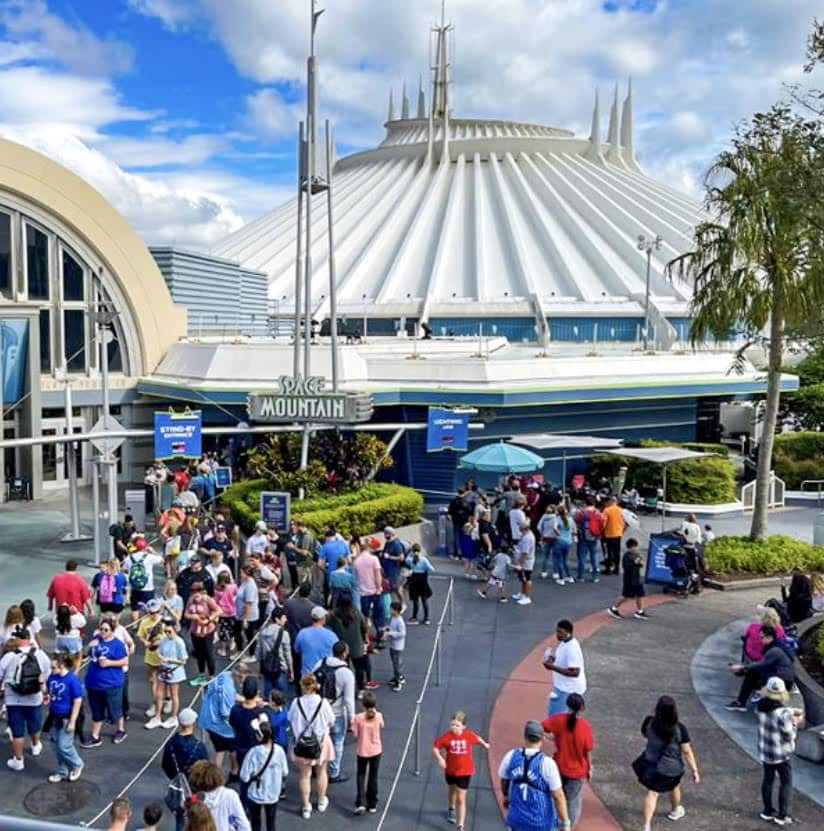
As February wound down and families returned from break, they stopped checking wait times at Space Mountain and started scanning Sunday open house listings instead. Sellers followed. In one week in late February, 42 new listings hit Monroe County, surpassing the 28 homes that had come to market in all of January.Something else was shifting too.Across the country, investors had grown anxious about artificial intelligence and its potential to eliminate jobs at scale. That anxiety pushed money into the 10-year Treasury. Because 30-year mortgage rates historically track that bond, rates drifted lower. By February 26th, the 30-year fixed settled at , below 6% for the first time since September 2022.Not because the Fed acted. Not because inflation vanished. Rates dropped because fear quietly moved markets in a direction that benefited homebuyers and the stage was set for one of the more successful spring markets Rochester had seen in years. Then, geopolitics entered the equation.
The World Has Changed
I woke up at 6:30 in the morning on February 28th to a text message from a worried client informing me that the United States had attacked Iran. “What should we do?”When fear of that magnitude spikes, capital moves fast into safe assets. The 10-year Treasury is at the top of that list. By the time this reaches you, mortgage rates could have dropped further — as they traditionally do in moments of geopolitical crisis. Or they could have reversed just as quickly, pushed higher by spiking oil prices and rising inflation expectations. The lesson is not to predict geopolitics. It is to be positioned before it resolves.
The Fork in the Road
Nassim Taleb, author of The Black Swan, argued that the events that reshape markets are usually the ones we do not anticipate. The correct response is not paralysis. It is clarity about what you know versus what you are assuming.History gives us two potential paths.After Iraq invaded Kuwait in August 1990, oil prices surged, inflation fears intensified, and mortgage rates climbed. What had been a promising housing market stalled, not because of war headlines, but because borrowing costs rose and uncertainty lingered.That is one road.The other is this: like last year’s twelve day conflict between Israel and Iran, if today’s conflagration, against all current indications, remains contained, the spring market that Rochester was building toward will arrive largely intact. Buyers will be there. Sellers will list. Life will move forward.Nobody knows which road we are on. Not yet.
What Has Not Changed in Rochester
Here is what has not changed:
∙Inventory sits at 0.5 months of supply, critically and historically low.
∙Homes that sold in January went pending in 15 days on average.
∙Nearly 66% sold above asking price.
∙The sale-to-list ratio was 107.26%.
∙Prices are up 13% year over year.
∙Homes that sold in January went pending in 15 days on average.
∙Nearly 66% sold above asking price.
∙The sale-to-list ratio was 107.26%.
∙Prices are up 13% year over year.
If you have any questions or concerns about real estate, please don’t hesitate to reach out.
 Call me at (585) 330-8750
 Email me at mark@elysianhomesny.com
 Visit us at elysianhomesny.com