

Rochester is now one of the most structurally constrained housing markets in America and the price consequences are in no way theoretical. Our city just landed at #2 on Realtor.com’s list of the hottest housing markets in the country, second only to Hartford, Connecticut. That ranking isn’t about hype or momentum. It’s about scarcity. And for anyone trying to buy, sell, or decide whether to wait, it is a signal that the conditions shaping our market are not easing anytime soon. Realtor.com’s methodology is straightforward. They evaluated two variables: projected changes in sales volume and anticipated appreciation in home values over the next twelve months. Rochester is expected to see sales increase by approximately 5.3%, while home values are forecast to rise by a striking 10.3%. Once again, the same force that has propelled our market upward these past five years continues to do the heavy lifting: a severe lack of inventory. Scarcity has pushed Rochester onto another national Top-10 list.
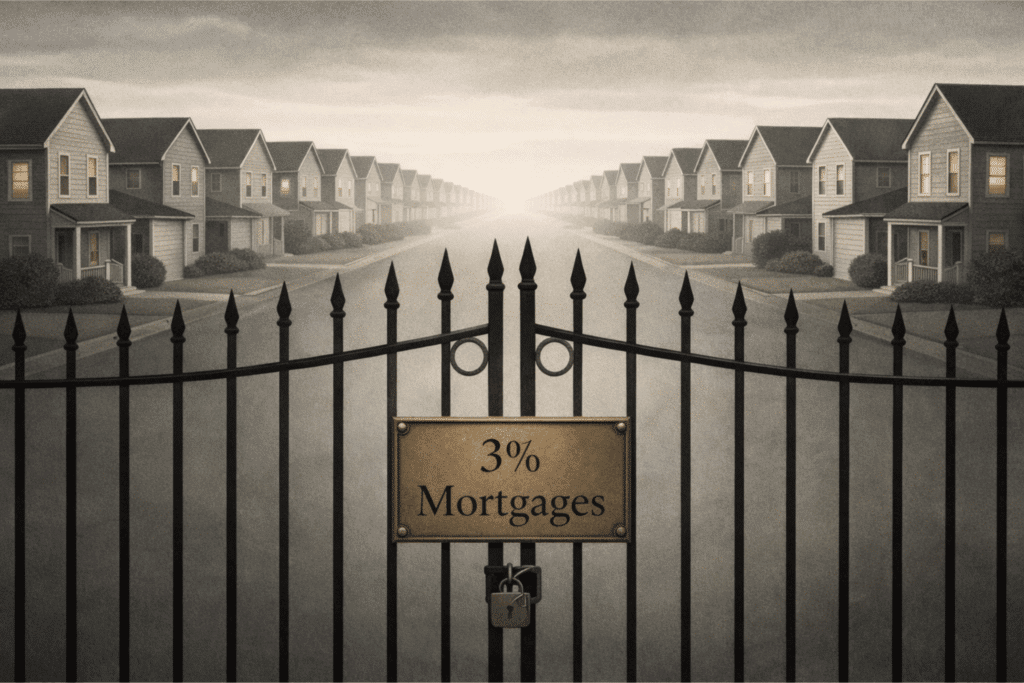
A National Housing Market Frozen in Place
Across the country, the housing market continues to resemble a game of musical chairs, except the music barely plays, and almost no one is willing to give up their seat. Nationally, only 2.8% of homes sold last year — roughly 28 out of every 1,000. Millions of homeowners remain locked into sub-4% mortgages with little incentive to move. Add to that the fact that 61% of baby boomers plan to age in place, and you have millions of chairs permanently occupied. First-time buyers are left circling the room, waiting for the music to restart. It rarely does. In this version of the game, hesitation is punished. When a chair finally opens up, competition is immediate and unforgiving, not because demand is irrational, but because supply has been structurally removed.
When the Music Stopped in the Sun Belt
But the game hasn’t played out the same way everywhere. One of the most telling patterns in Realtor.com’s Top-10 list is geography: nearly every market is located in either the Northeast or the Midwest. In the Sun Belt, builders assumed the music would keep playing. In the wake of the pandemic, a massive migration south triggered an aggressive building spree. Then the music slowed. By 2023, migration eased just as millions of new homes were coming online. Rising mortgage rates compounded the problem, and suddenly there were too many empty chairs and not enough players. When supply outpaces demand, prices soften. Rochester never joined that race and that restraint has quietly become an advantage.

Rochester Never Played Musical Chairs
Here, the story unfolded very differently. Rochester did not experience a surge of inbound migration, and builders never felt pressure to accelerate development. What followed was simply a continuation of the underbuilding trend that began after the Great Recession. While Sun Belt markets sprinted to keep up with perceived demand, Rochester moved at its familiar, cautious pace. Today, the sprinters are winded, sitting on inventory they can’t move, while Rochester’s slow, frustrating consistency has increasingly proven to be a boon. That conservatism is also reflected in our homeowner base. Roughly 40% of Rochester homeowners own their properties free and clear. These owners already have a chair, and they’re comfortable staying put. Few are eager to stand up and re-enter a game where the odds have worsened.
When Homeowners Won’t Sell, Builders Become the Bottleneck
When existing homeowners won’t sell, new construction becomes the only meaningful release valve for supply. But construction economics create their own constraints. Nationally, 16.7% of all home sales involve new construction. In Rochester, that figure is just 6.8%. Even more striking is the premium buyers are willing to pay for new homes. Across the country, new construction commands about a 10.2% premium over existing homes. In Rochester, buyers are paying a staggering 137% premium. That isn’t enthusiasm. It’s desperation.
The Middle Market Has Been Abandoned
This isn’t simply scarcity pricing. It reflects a more fundamental failure. Regulatory costs, zoning complexity, and construction expenses have conspired to eliminate the middle of the market entirely. When new construction costs run approximately $250 per square foot before land acquisition, a modest 1,500-square-foot home carries a $375,000 price tag. That is before the lot is even factored in. With existing homes averaging around $220,000, there is effectively no bridge between the two. Builders aren’t abandoning first-time buyers by choice; they’re being forced upmarket by math. The supply gap remains unresolved, and the chairs that do get added are priced for a very small group of players.
The Consequences: Fewer Homes, Higher Prices
The result is stark. According to housing analyst Lance Lambert, Rochester now has 52% fewer homes available than in 2019, more than four times the national shortfall of 12%. Since 2019, Rochester home values have risen roughly 75%, the seventh-highest increase in the country. We are lean, competitive, and attracting national attention. But we are succeeding on a starvation diet. You cannot build a healthy, durable housing market by withholding what people need.
How Much Further Can Prices Rise?
These dynamics help explain why Realtor.com is projecting such aggressive appreciation this year. That said, a 10.3% increase feels overly optimistic. Zillow, by contrast, is forecasting just 2.6% growth over the next twelve months, a number that borders on implausible. Historically, Rochester appreciated around 4% annually, making a sub-4% forecast hard to reconcile with today’s inventory constraints. My expectation is that by December 31st, we will look back and see home values grew approximately 7.5%.
A Strong Market Built on Structural Limits
Rochester’s number-two ranking is real. The forecast is credible. The equity gains are legitimate. But we should be clear-eyed about what is driving the win. This is a seller’s market built on structural limitations, not sustainable abundance. Homeowners are benefiting. National headlines are flattering. But the same forces are pricing out first-time buyers, frustrating builders, and constraining the kind of growth that brings new talent and long-term economic vitality to the region. Recognition is nice. A functional housing ecosystem is better.
If you have any questions or concerns about real estate, please don’t hesitate to reach out.
 Call me at (585) 330-8750
 Email me at mark@elysianhomesny.com
 Visit us at elysianhomesny.com